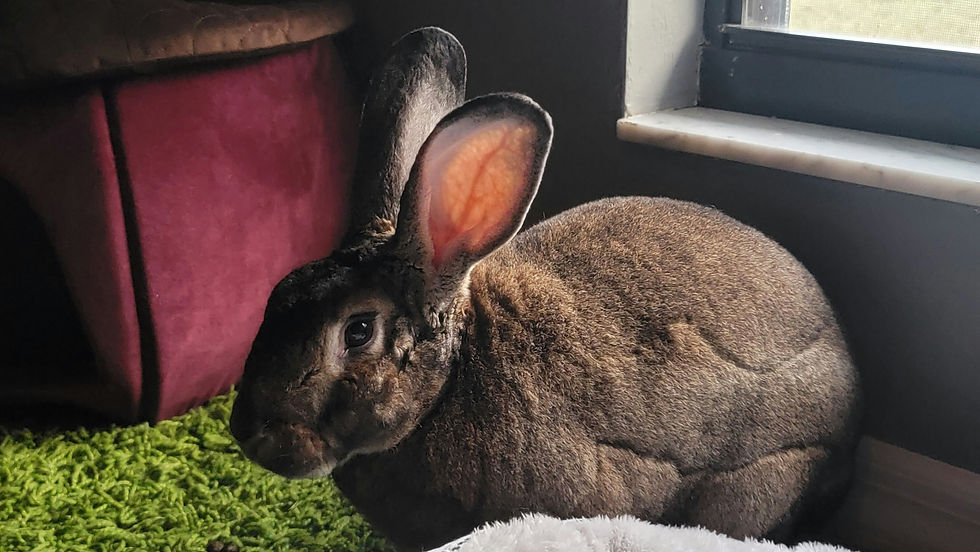
Rabbit Body Language: How to Understand Your Rabbit's Behaviour and Mood
Rabbits are popular pets that can be very social, playful and affectionate. However, many owners often ask what different behaviours mean and how to understand their rabbit’s body language. Rabbit body language is the main way rabbits communicate, allowing them to express happiness, fear, stress, or trust. Learning to read these signals correctly helps you better understand your rabbit’s needs and improve its quality of life.
Rabbit behaviour is highly expressive, even though it is often silent. Rabbits communicate through ear position, body posture, eye expression and movement. Every rabbit owner should understand the basic signs of rabbit behaviour, as they often reveal not only the animal’s mood but also its health condition.
A happy rabbit is usually relaxed, active and curious. On the other hand, a stressed rabbit or scared rabbit will often crouch low, hide or become unusually quiet. Observing rabbit body language is also important for detecting possible health problems early.
How to Recognise a Happy Rabbit
One of the most typical signs of a happy rabbit is the so-called “binky” – a joyful jump and twist in the air. If your rabbit is running, hopping around the room and behaving playfully, it is a clear sign of positive rabbit behaviour and that it feels safe and content.
Another sign of a happy rabbit is resting in a stretched-out position. A rabbit lying on its side or with its back legs extended is showing trust and deep relaxation. Some rabbits may also gently grind their teeth, which sounds similar to a cat purring. This soft teeth grinding is usually a sign of comfort and satisfaction.
Many owners also wonder how to tell if a rabbit likes its owner. Affectionate behaviours such as licking, gentle nudging with the nose or seeking close contact are clear rabbit trust signs and show that the rabbit feels safe.

Stress and Fear in Rabbit Behaviour
Stress in rabbits can have many causes, such as loud noises, loneliness, frequent handling or inappropriate treatment. A stressed rabbit often shows clear changes in rabbit body language. It will crouch low, keep its body tense and have wide open, alert eyes. The ears may be pinned back or constantly reacting to sounds.
One common sign of fear or stress is thumping with the hind legs. When a rabbit thumps, it is warning of danger or expressing discomfort. This is a natural instinct in rabbit behaviour, used in the wild to alert other rabbits.
Long-term stress can negatively affect a rabbit’s health and wellbeing. That is why it is important to provide a calm environment, enough space to move freely and regular social interaction, either with other rabbits or with humans.

Aggressive Rabbit Behaviour
Some owners may experience situations where their rabbit bites or growls. Aggressive rabbit behaviour is almost always a reaction to fear, pain or territorial instincts. Rabbits are naturally territorial animals and may protect their cage, litter box or any space they consider safe.
If a rabbit suddenly becomes aggressive or its behaviour changes without explanation, it may indicate a health problem. In such cases, it is recommended to visit a veterinarian who specialises in small animals, as pain is a very common cause of behavioural changes in rabbits.
How to Gain Your Rabbit's Trust
Building trust with a rabbit requires patience, calm behaviour and consistency. Rabbits do not like loud noises or fast movements, so it is important to let the rabbit approach you at its own pace. Positive reinforcement such as treats, gentle stroking and daily interaction can help build a strong bond.
Respecting rabbit body language is essential. If the rabbit moves away or hides, it needs space and calm. If it lies next to you or licks you, it is showing strong rabbit trust signs and a sense of safety. Over time, this consistent approach helps improve overall rabbit behaviour and strengthens your relationship.